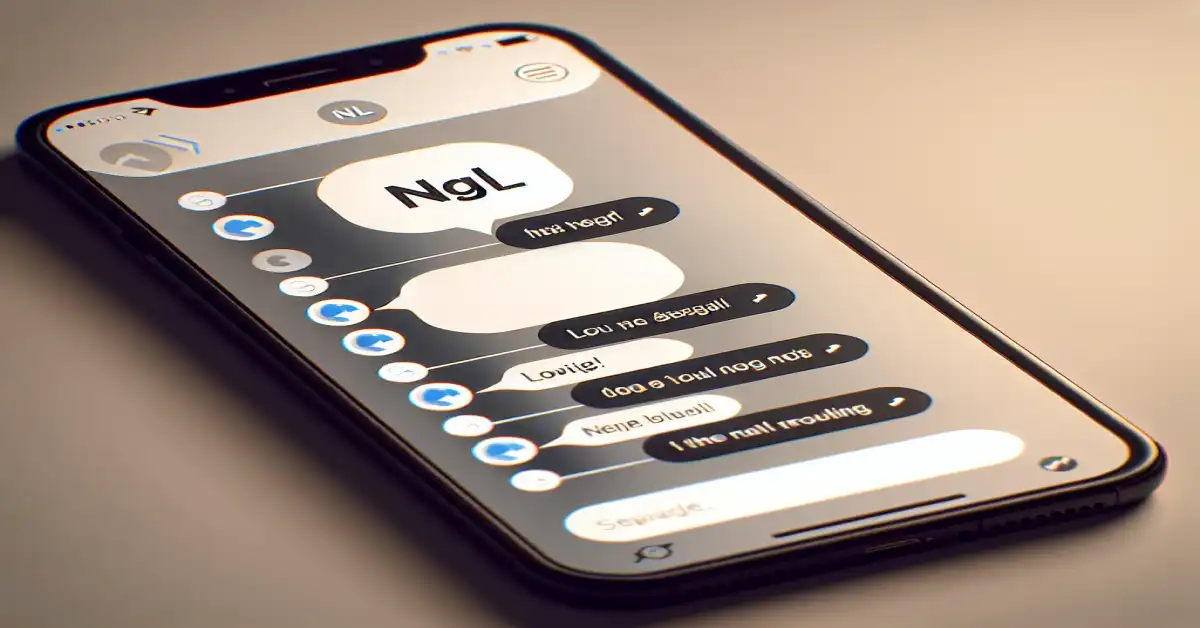
You just got a text that says, “Ngl, that movie was actually pretty good.” Now you’re stuck—what does “ngl” mean in a text message?
Ever seen this slang and wondered what it really means? Not sure when or how you should use it in your own chats?
This guide will break down what “ngl” means, how it’s used, and how you can master this texting slang.
💬 Guide on what does ngl mean in text message
🛠 Step-by-Step Instructions
The short answer: “Ngl” stands for “not gonna lie.” It’s one of the most popular texting slang terms around today.
When you see “ngl” in a message or post, it means the person is being honest, blunt, or direct about what they’re saying.
For example, if someone texts “ngl, I’m super tired today,” they’re admitting their real feelings. It’s a way to signal truthfulness—even if it feels awkward.
🛠 Meaning Explained Simply
“Ngl” is a way to say, “I’m just being honest here.” It often comes before someone says something direct or admits their opinion. The slang meaning is casual, friendly, and sometimes even funny.
It’s not meant to be mean or rude. Instead, it’s more about sharing your real thoughts—no filter. For the full definition, you can check the Cambridge Dictionary entry for “ngl.”
⚡ How People Use It in Conversations
People use “ngl” to preface a statement that’s honest, unexpected, or even a little bit unpopular. It’s common to see “ngl” at the start of a sentence.
Example: “Ngl, I didn’t like the ending of that show.” Sam texted this after a group binge-watch when everyone else disagreed.
Another example: “Ngl, I just came for the food.” This person is being up-front about their real motivation for joining an event or party.
Want more real-world examples? USA Today explains this slang with plenty of relatable chat samples.
🧠 Tone, Emotion & Context
Most of the time, “ngl” is friendly and honest. It rarely sounds harsh, unless you pair it with an insult. It can even sound supportive if used positively.
People drop “ngl” into chats with friends, online comments, and even on group texts. It’s a way to admit something you might usually keep to yourself.
As Today.com points out, it helps soften what you’re about to say—almost like, “Don’t judge me, but…”
📈 Where You’ll See This Slang Online
“Ngl” pops up everywhere: text messages, DMs, Snapchat, Twitter, TikTok, and comment sections. It’s also used in group chats, Discord, and even gaming lobbies.
According to Gabb’s slang guide, “ngl” is one of the most common abbreviations among teens and young adults. It crosses into different generations online too.
Ready for a deep dive? OreateAI offers analysis on how “ngl” shapes honest digital chats.
📖 Real Chat Examples
Still not sure? Here are a few more chat samples:
“Ngl, your playlist is fire.” (They really like your music!)
“Ngl, I forgot we had homework.” (Being honest about the situation.)
“Ngl, I needed that laugh today.” (Showing appreciation honestly.)
“Ngl” is best for casual conversations—especially with friends or online groups. It’s not right for business, professional emails, or situations where you need to be super formal.
With friends, “ngl” feels honest, funny, or even supportive. You can use it to admit something silly or share your real opinion.
But in more serious or official places, it can sound too casual. If in doubt, leave it out. You want to sound clear, not unprofessional.
Slang meanings shift fast. What sounds trendy today may change tomorrow. “Ngl” has stayed popular because it makes conversations feel real, but always think about your audience.
If you’re ever unsure, this Parents.com guide helps you decide when slang is safe to use. It’s also a great resource for understanding other messaging slang.
Sometimes, “ngl” can soften a tough truth. Other times, it can make a strong opinion feel less harsh. Today.com discusses how context and tone matter a lot.
To avoid awkward mistakes, read the vibe of the chat. If everyone’s using slang, you’re in the clear. If it’s all formal, skip the “ngl.”
The slang term “ngl” (not gonna lie) traces back to casual spoken English, particularly within American youth culture and online communities in the early 2000s. It became more visible with the rise of instant messaging platforms like AIM and early texting culture, where shortening phrases was both practical and stylistic.
Its widespread adoption is closely tied to internet forums, gaming chats, and later social media platforms like Twitter and TikTok. While not rooted in a single cultural group like some slang terms, its tone and rhythm reflect conversational patterns often heard in informal American English, including influences from youth and digital subcultures.
As ngl spread, its meaning stayed mostly consistent but broadened in tone. Originally used to introduce honesty or mild confession, it evolved into a softer, sometimes ironic preface. In many cases, it no longer signals deep honesty but instead frames opinions casually, humorously, or even sarcastically.
When does using ngl go wrong?
Using ngl can fall flat when it’s added out of habit rather than intention. A common mistake is placing it before statements that don’t need emphasis, which makes the message feel forced or unnecessary. Overusing it in every sentence can dilute its impact and make the speaker sound repetitive.
Context matters. In formal conversations, professional settings, or serious discussions, ngl can come across as too casual or immature. It may also feel out of place when discussing sensitive topics, where a more thoughtful tone is expected.
There’s also a fine line between natural use and trying too hard to sound current. When someone who doesn’t typically use online slang suddenly drops ngl frequently, it can feel performative. The key is using it sparingly and only where it fits the tone of the conversation.
Is ngl still being used in 2026?
As of 2026, ngl is still widely used but no longer feels new or trending. It sits in a stable middle ground—familiar, understood, and casually accepted across most online spaces. Usage hasn’t disappeared, but it’s no longer growing in the way it once did.
The term has crossed into mainstream awareness, appearing in brand messaging and media captions. That level of visibility usually signals that early adopters have moved on to fresher expressions or more niche slang.
Newer phrases tend to replace the tone ngl once carried, often leaning into humor or exaggeration rather than simple honesty. Still, ngl has a good chance of sticking around as a long-term casual phrase, similar to other shorthand expressions that remain useful without feeling trendy.
This slang appears in many situations. Here are common examples:
Group chats: Someone quickly shares their honest thoughts about a plan, movie, or event. “Ngl, I’d rather order pizza than go out.”
Social media comments: People use “ngl” to react honestly to photos, videos, or news. “Ngl, this is the cutest dog I’ve seen.”
Online reviews: It’s used when leaving honest feedback—positive or negative. “Ngl, this app changed my daily routine.”
Gaming chats: Players admit their mistakes or opinions openly. “Ngl, I totally missed that shot!”
Lucas covers internet slang, chat abbreviations, and digital communication trends. At SlangExplained, he breaks slang down into straightforward meanings with simple examples so readers always know what people really mean.
Frequently Asked Questions
'Ngl' is short for 'not gonna lie'. It's used to introduce honesty or a candid opinion, often before sharing something personal or blunt.
It's a quick way to signal sincerity or vulnerability, especially in casual chats. In a culture that values realness, this term helps people frame honest thoughts without being too harsh.
Not always. While it adds a personal touch, it can come off as overly blunt if not used carefully. It's best to consider tone and context before using it in sensitive conversations.
Its rise matches the trend of being more direct and emotionally open online. Social media and texting culture reward quick expressions of truthfulness, making shorthand like this more common.
Take it as an invitation for a more real conversation. Reflect on their honesty and consider replying in a way that acknowledges their openness or continues the sincere tone.