

You get a text saying “SMH” and pause. Was that good or bad? Are you missing something?
Ever seen this slang and wondered what it really means? Not sure when you should use it or what tone it has?
This guide breaks down the meaning, usage, and examples for “SMH” in text messaging, so you never feel lost again.
💬 Guide on what does smh mean in text messaging
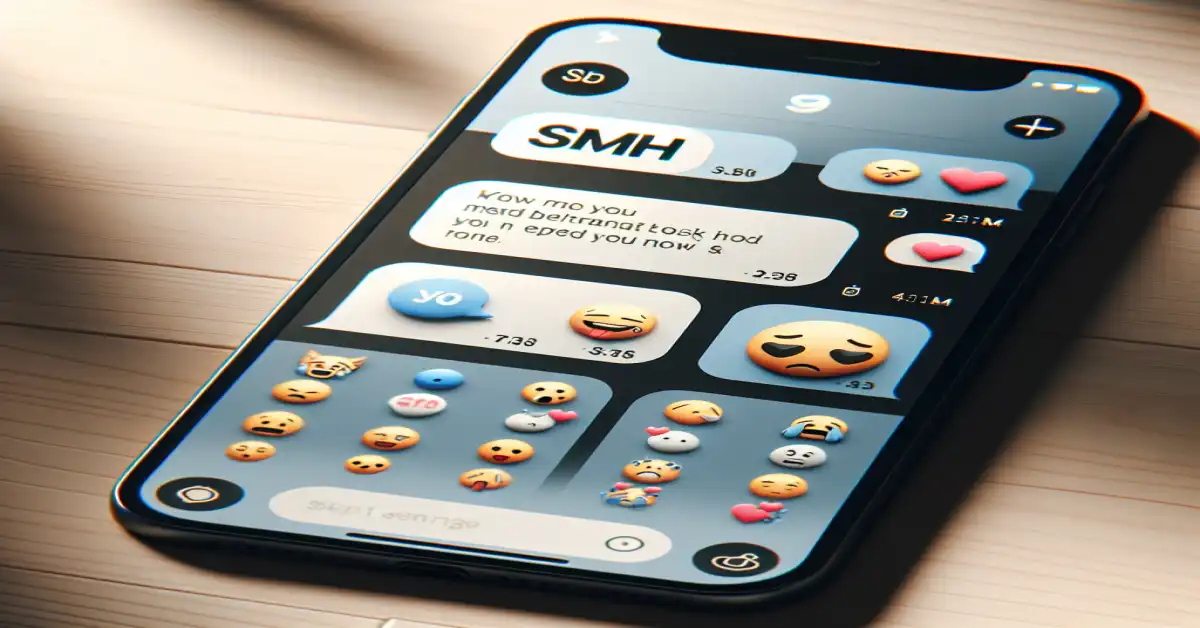
SMH stands for “shaking my head.” It’s a quick way to show disbelief, frustration, or disappointment in a text or chat.
When you see it, the sender is usually shaking their head—maybe in real life, but always in spirit.
They’re not happy or impressed. It’s like a silent “wow… really?” It’s not meant as anger, just a reaction to something that seems silly or surprising.
For a deeper dive into the definition and origins, check out Merriam-Webster’s slang breakdown.
People use SMH when they want to react quickly. Maybe a friend tells a silly story, or someone makes a joke that falls flat.
You can send “SMH” by itself or add more, like “SMH, can’t believe you did that.”
Here’s a micro-example: Sam texts, “I just spilled my coffee again.” Friend replies: “SMH. You need a sippy cup!”
It’s not really mean. It’s a quick way to show you’re reacting—sometimes with humor, sometimes with a sigh.
Read more about how SMH pops up in real conversations at USA Today’s SMH guide.
SMH often shows up when you can’t believe what you’re hearing. It’s not super angry. It’s more about disbelief, mild annoyance, or playful disappointment.
Sometimes, it’s gentle teasing; other times, it’s a genuine “wow, that’s not great.” Pay attention to the topic and the person’s usual style.
It’s not shouting. It’s not harsh. Think of it as a digital head shake.
For a parenting and safety perspective, see this quick explanation from Bark.
SMH is everywhere: texts, chats, tweets, Instagram comments, TikTok, Reddit, and even in memes.
It’s fast, easy, and understood by young people and adults browsing the internet.
You might see it in group chats, reaction GIFs, or social posts about something surprising or disappointing.
There’s even a helpful guide on Hushed about its use in messaging apps.
Example 1:
Friend 1: “I forgot my keys again.”
Friend 2: “SMH, you do this every Monday!”
Example 2:
Comment on a funny video: “SMH, how did you even pull this off?”
On Reddit, people often ask about SMH’s usage. See this thread of people sharing their own stories.
SMH helps you keep chats snappy and shows you “get” the conversation flow. For more usage examples, visit AmazingTalker’s Q&A on SMH.
🕹️ Slang Insights & Best Practices
The way you use SMH depends on the setting and relationship. With friends, it’s casual and playful. But in work chats or with someone you don’t know well, it can look rude or dismissive.
Online, slang meanings can shift fast. SMH might sound harsher in some groups. Always read the room. If people are joking, it’s probably playful. If things are heated, SMH could come off as sarcastic.
Don’t use SMH in serious, formal, or professional settings. It’s chat slang, not business language. Save it for friends, family, or casual online spaces.
Watch for tone and context. If you’re unsure, spell it out (“shaking my head”) or add an emoji to soften the mood.
For more tips on usage and avoiding confusion, check out Gabb’s SMH meaning guide and the Facebook group discussion.
If you ever feel awkward, remember: everyone learns chat slang at their own pace. For parents and teens, Bark’s quick breakdown is super practical.
Practice makes perfect. The more you see and use SMH, the more natural it feels in your messaging style.
🔍 Common Scenarios and Usage
Where did smh actually come from?
The slang term “smh,” short for “shaking my head,” traces back to early internet chat culture and text messaging in the late 1990s and early 2000s. It became especially visible on platforms like AOL Instant Messenger, early forums, and SMS, where users needed quick, expressive shorthand to react in real time.
Its tone and usage are closely tied to African American Vernacular English (AAVE), where expressive reactions like head-shaking have long been part of conversational rhythm. As Black users shaped online language trends on platforms like Twitter in the late 2000s, “smh” spread rapidly into mainstream digital culture.
As it moved beyond its original communities, the meaning stayed mostly consistent but broadened. Initially used to signal genuine disappointment or disbelief, it gradually became more playful, sarcastic, or exaggerated depending on context. Today, it functions as a flexible reaction, ranging from light teasing to real frustration.
When does using smh go wrong?
The most common mistake with “smh” is using it in situations that require clarity or seriousness. In formal conversations, professional settings, or when someone is sharing something personal, dropping “smh” can come across as dismissive rather than expressive.
It can also feel out of place when overused or forced into every reaction. Using “smh” too frequently, especially in conversations where it doesn’t naturally fit, can make someone sound try-hard or disconnected from how the term is actually used.
There’s also a subtle cultural layer to be aware of. Since “smh” gained popularity through AAVE-influenced online spaces, copying its tone without understanding the context can sometimes feel performative. The line between natural and awkward usually comes down to timing and authenticity. When it starts to feel like a habit instead of a genuine reaction, it loses its impact.
Is smh still being used in 2026?
As of 2026, “smh” is still widely recognized but no longer at its peak. It has settled into a stable, everyday term rather than a trending one, used across different age groups and platforms without much novelty.
It has already crossed into mainstream usage, appearing in brand social media posts, memes, and even casual workplace chats. That kind of adoption usually signals that the original trend cycle has passed, even if the term itself remains active.
Newer reactions like “nah,” “bruh,” or simply reaction memes are often replacing “smh” in fast-moving online spaces. Still, “smh” is unlikely to disappear completely. It sits closer to permanent internet vocabulary than short-lived slang, though it may gradually feel dated depending on how trends evolve.
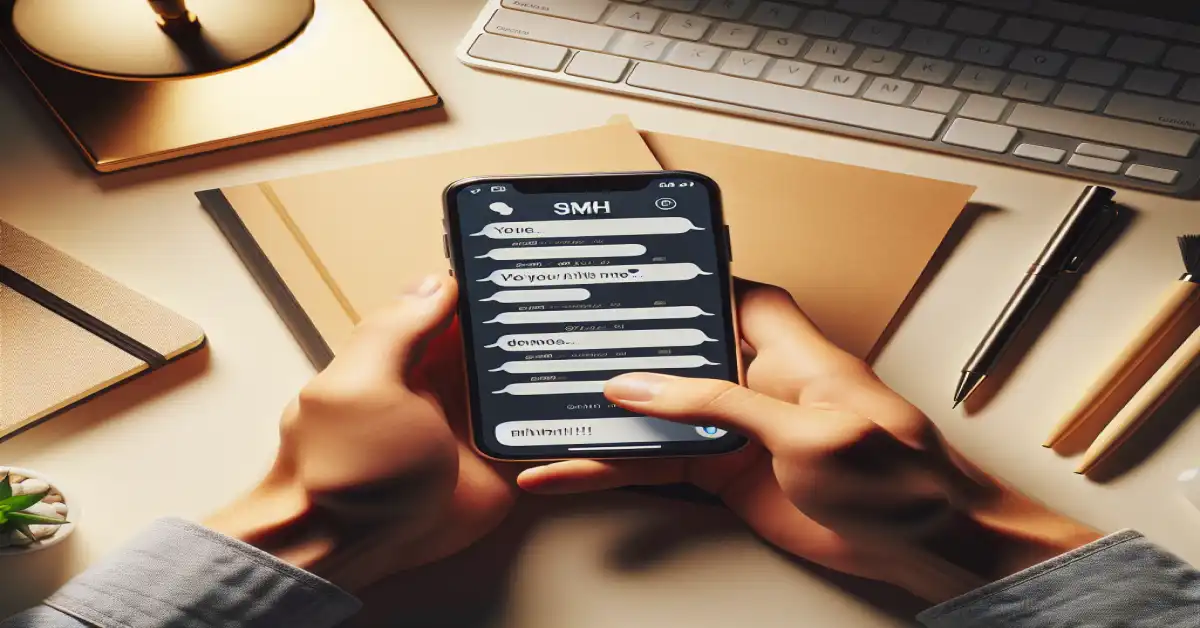
This slang appears in many situations. Here are common examples:
- Reacting to a silly mistake: Your friend forgets their wallet again, so you text “SMH, you did it again!”
- Responding to surprising news: Someone says, “I ate pizza for breakfast.” You reply, “SMH, only you would do that.”
- Commenting on something online: A viral video shows a funny fail. You comment, “SMH, this made my day.”
- Making fun of yourself: You send, “SMH, I just sent a text to the wrong person.”
Want more context? See Hushed’s messaging slang guide and this community answer thread for more real-life examples.
The more you notice “SMH” in action, the easier you’ll spot when and how to use it.
📝 Lessons & Takeaways
SMH relies on tone and context—what feels playful in one chat might feel harsh somewhere else.
Learning texting slang like SMH helps you communicate clearly and understand others online.
For more tips, visit the Gabb blog or AmazingTalker’s Q&A for real-life advice.
Conclusion
Now you know exactly what does smh mean in text messaging—it’s a quick way to show disbelief, frustration, or playful disappointment online.
You’re ready to spot “SMH” in chats and use it with confidence. No more confusion!
Sometimes, one slang word says it all. For more on slang, keep reading and exploring!
❓ Frequently Asked Questions
Q1: What does what does smh mean in text messaging mean?
It means “shaking my head.” You use it when reacting to something surprising, silly, or disappointing in a text or chat.
Q2: How do you use SMH in chat?
Just type “SMH” by itself or add more words, like “SMH, that’s wild!” It’s quick, informal, and easy to use.
Q3: Is SMH casual or serious?
SMH is casual, not serious. It shows mild disbelief or playful frustration. Don’t use it in formal or professional conversations.
Q4: Where is this slang most common?
SMH is most common in texting, social media comments, memes, and chat apps—anywhere people talk online informally.

Ethan is a writer at SlangExplained who focuses on the meaning and usage of modern internet slang and texting abbreviations. He explains terms in a clear, simple way and shows how people actually use them online and in real conversations.
Frequently Asked Questions
'SMH' stands for 'shaking my head' and is used to express disappointment, disbelief, or frustration. It's a quick way to react to something considered silly, wrong, or surprising.
Using abbreviations like 'smh' saves time and quickly conveys emotion in digital communication. It's a shorthand that assumes shared understanding, often reflecting the tone of the conversation without needing a detailed explanation.
Not always. While it's common in informal chats or social media, it might come across as dismissive or unprofessional in formal settings. Considering the tone and context helps decide when it's suitable to use.
It captures a universal reaction in just three letters, making it efficient and expressive. In a fast-paced digital world, such terms thrive because they blend emotion with brevity.
Pay attention to the tone and context in which it's used, and consider asking trusted sources if you're unsure. Familiarizing yourself with common expressions helps you stay connected and interpret messages more accurately.